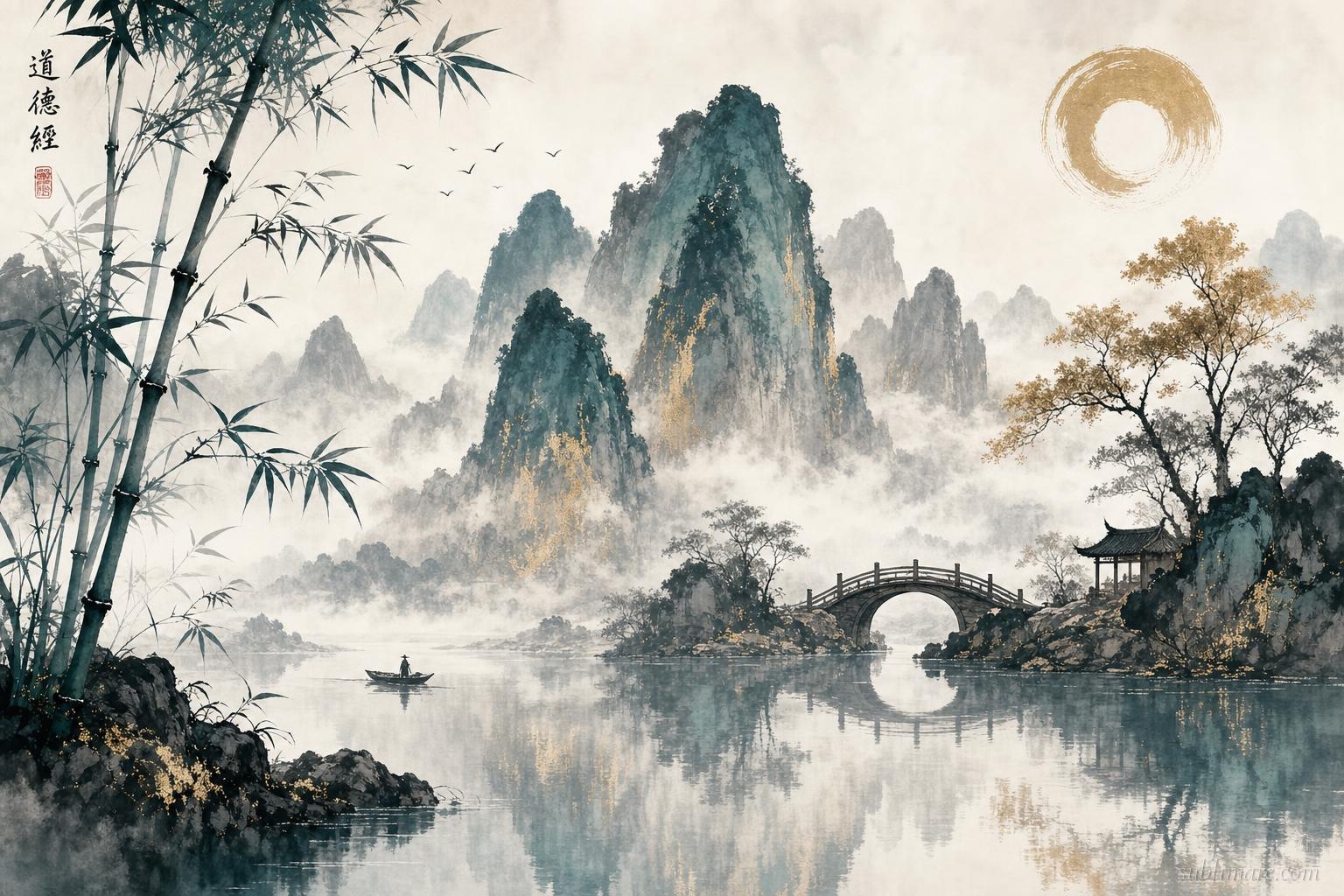
The Tao Te Ching is one of the most translated books in history. Written around the 6th century BCE and attributed to the sage Laozi, it consists of 81 short chapters — some barely a paragraph long — that have been guiding philosophers, leaders, artists, and seekers for over two and a half millennia.
It is also one of the most deliberately elusive texts ever written. It circles around its subject rather than defining it. It speaks in paradoxes. It refuses to be pinned down.
Which is exactly the point.
The Tao — which translates roughly as “the Way” — is not something you can understand with the analytical mind alone. It is something you sense, practice, and gradually inhabit. But that doesn’t mean its lessons can’t be made accessible.
Here are five of the most enduring lessons from the Tao Te Ching, translated for the world we actually live in.
Lesson 1: The Map Is Not the Territory
The Tao Te Ching opens with perhaps the most famous line in all of Chinese philosophy: “The Tao that can be told is not the eternal Tao.”
In a single sentence, Laozi dismantles the assumption that reality can be fully captured in language. Any concept, label, or definition you apply to the deepest truth of things is already a step away from that truth. Words point; they don’t arrive.
For modern seekers, this is an invitation to hold all frameworks — including this one — lightly. Your beliefs about reality are not reality. Your map of yourself is not yourself. The moment you think you have fully understood something, you have already reduced it.
The practice: Notice when you are clinging to a fixed idea about yourself, someone else, or a situation. Ask: what would it feel like to hold this a little less tightly? What might I see if I loosened my grip on the label?
Lesson 2: Wu Wei — The Power of Not Forcing
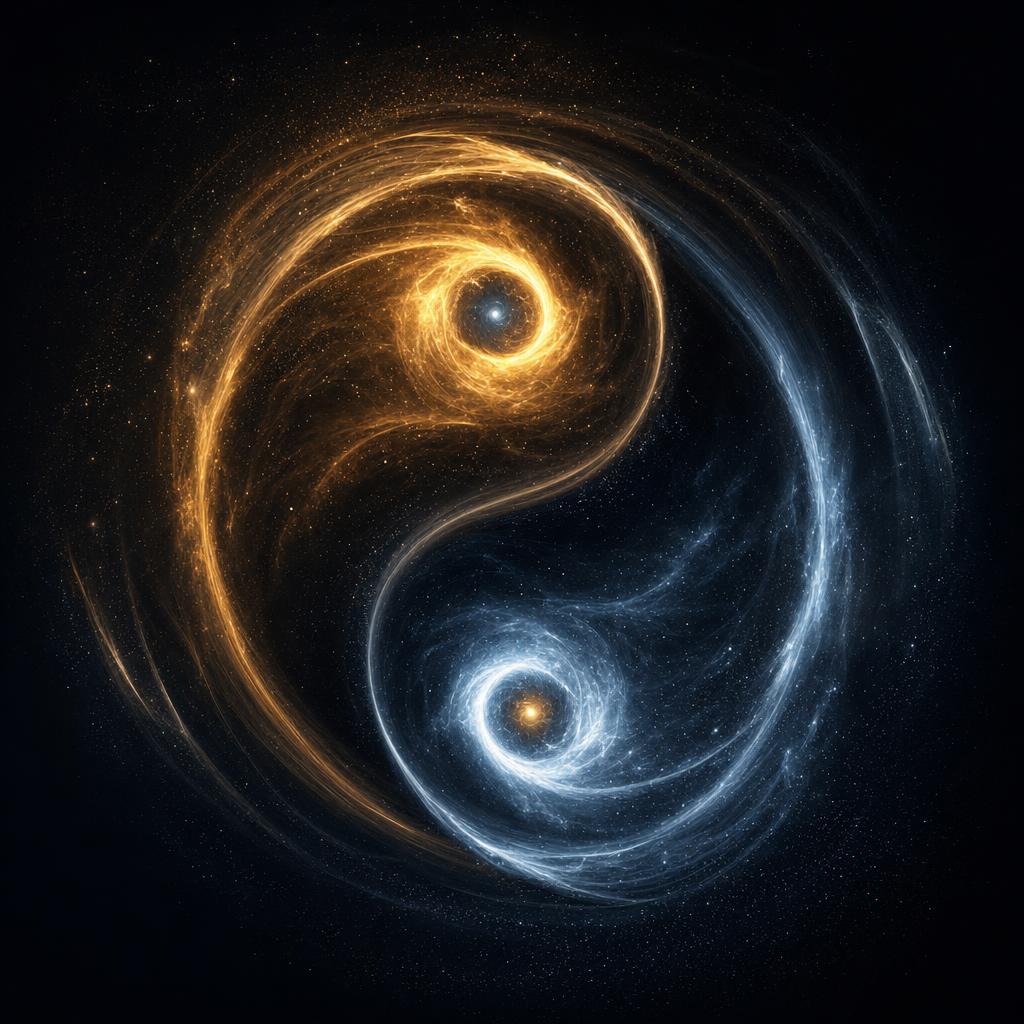
One of the Tao Te Ching’s central concepts is wu wei — often translated as “non-action” or “effortless action.” It doesn’t mean doing nothing. It means acting in alignment with the natural flow of things, without forcing, straining, or imposing your will where it doesn’t belong.
Laozi writes: “The sage does not act, and yet nothing is left undone.”
In the modern world, we are trained to force. To hustle. To push harder when things aren’t working. And sometimes, that is appropriate. But often, the resistance we encounter is feedback — a signal that we are pushing in the wrong direction, at the wrong time, from the wrong place inside ourselves.
Wu wei invites us to distinguish between effort that flows from clarity and effort that flows from anxiety. Between action rooted in alignment and action rooted in compulsion.
The practice: When you feel strong resistance — in a project, a relationship, a decision — pause before pushing harder. Ask: am I forcing this? Is there a more natural direction available? Sometimes the most powerful move is to stop, wait, and let clarity arrive.
Lesson 3: Be Like Water

Water is the Tao Te Ching’s favorite metaphor. Laozi returns to it again and again, and for good reason.
“Nothing in the world is as soft and yielding as water. Yet for dissolving the hard and inflexible, nothing can surpass it.”
Water doesn’t fight the obstacle in its path. It flows around it, under it, through the smallest crack. It doesn’t assert itself — and yet, given enough time, it shapes stone. It seeks the lowest place, where nothing else wants to go, and nourishes everything it touches.
For modern seekers, this is a lesson about adaptability — not as weakness, but as a form of deep strength. The ability to change form without losing essence. To yield without losing direction. To nourish without needing credit.
The practice: Think of an area in your life where you have been rigid — a fixed opinion, a defended position, a resistance to change. What would it feel like to bring a little more water to it? Not surrender, but fluidity. Not defeat, but adaptation.
Lesson 4: The Usefulness of Emptiness
One of the Tao Te Ching’s most counterintuitive teachings concerns empty space.
“Thirty spokes converge at the wheel’s hub; it is the center hole that makes it useful. Shape clay into a vessel; it is the space within that makes it useful. Cut doors and windows for a room; it is the holes which make it useful.”
We are a culture that fills. We fill our schedules, our feeds, our silences, our attention. Empty space feels uncomfortable — like waste, like failure, like something that needs to be corrected.
But Laozi understood that emptiness is not absence — it is potential. The space inside the cup is what makes it a cup. The pause between notes is what makes music music. The silence in a conversation is sometimes where the most important thing is happening.
The practice: Create some deliberate emptiness this week. A morning without a podcast. A walk without your phone. A few minutes of sitting without an agenda. Notice what arises in the space. Notice what you were using noise to avoid.
Lesson 5: Return Is the Movement of the Tao
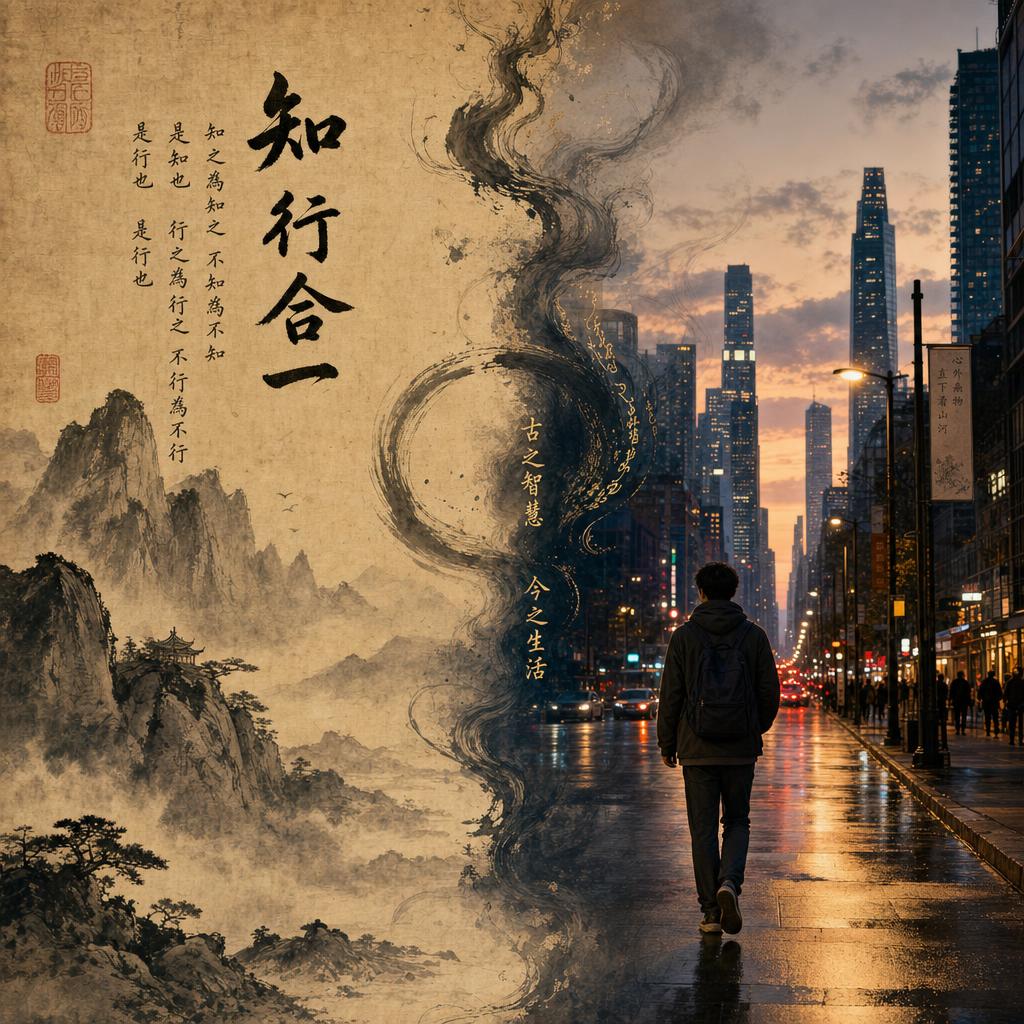
Laozi writes: “Return is the movement of the Tao.”
Everything in nature moves in cycles. The seasons return. The breath returns. The tide goes out and comes back. What rises eventually falls; what empties eventually fills. This is not a problem to be solved — it is the fundamental rhythm of existence.
In modern life, we tend to experience endings as failures. The end of a relationship. The collapse of a project. The dissolution of an identity we had built. We resist the return, fight the falling, cling to the peak.
The Tao invites a different relationship with endings — not as losses, but as necessary movements in a larger pattern. What is returning in your life right now? What is completing its cycle? What might you be resisting that is simply asking to be released?
The practice: Name one thing in your life that feels like it’s ending or changing. Instead of asking “how do I stop this?” try asking: “what is this returning me to? What is being cleared so that something new can arrive?”
Why It Still Matters
The Tao Te Ching has outlasted empires, religions, and entire civilizations. It has been read by philosophers, generals, poets, physicists, and meditators. Its 81 chapters have been translated more times than almost any other text in human history.
And still, it resists being fully understood. Which is perhaps the best evidence that it is pointing at something real.
The Tao is not a doctrine to be believed. It is a way of moving through the world — with less force, more flow; less noise, more emptiness; less grasping, more return.
You don’t have to become a Taoist to let it change you. You just have to be willing to read slowly, sit with the paradoxes, and notice where the water might flow if you stopped trying to dam it.
You might also enjoy: Stoicism and Spirituality: What Marcus Aurelius Got Right About the Inner Life
Up next: What Is Non-Duality? Advaita Vedanta Without the Jargon
Related Posts