
The phrase “dark night of the soul” is used for everything from heartbreak to burnout. Its original meaning is more specific, and knowing the difference between a dark night, spiritual dryness and clinical depression can change how you respond. Here’s the history, the stages, and what actually helps.
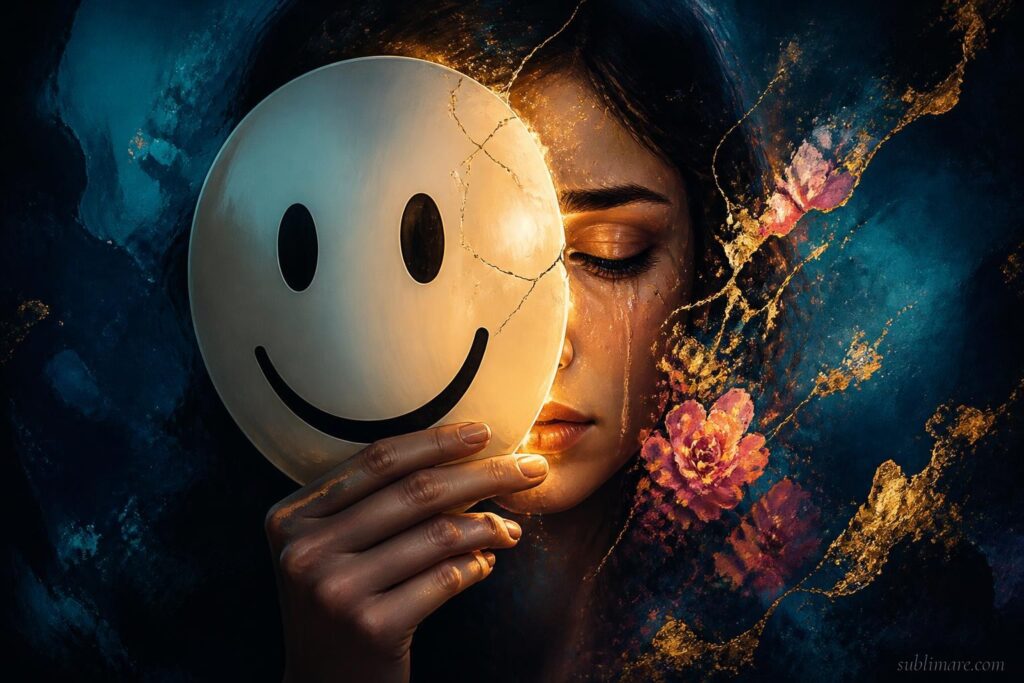
“Everything happens for a reason.” “Just raise your vibration.” These phrases sound spiritual, but they often do the opposite of what spirituality is for. Here are 9 to watch for, what psychologist John Welwood meant by spiritual bypassing, and what to say instead.

Old beliefs stop fitting. Relationships that used to feel fine suddenly don’t. Sleep gets strange. If your life feels like it’s quietly falling apart in a way that somehow also feels necessary, here are 7 signs you might be in the middle of a spiritual awakening — and how to tell the difference from something that needs real clinical support.

Crowded rooms exhaust you. Other people’s moods become your moods before you realize it. Here are 12 traits commonly associated with being an empath — and the real psychology and neuroscience behind why some people experience the world this way.

Being alone and feeling lonely are often treated as the same thing. Psychology research draws a sharp line between them — one tends to restore you, the other tends to deplete you, and the deciding factor is more specific than most people assume. Here’s what the research actually shows, and how to tell which one you’re in.

Cold plunges have gone from monastic discipline to Instagram wellness trend in the span of a few years. The neuroscience behind why it works is genuinely interesting — and more specific than “it’s good for you.” Here’s what cold exposure actually does to your nervous system, and what contemplative traditions understood about deliberate discomfort long before the science caught up.

Spiritual growth doesn’t usually announce itself with fireworks. It shows up in quieter shifts — how you respond to conflict, what you notice, what stops bothering you as much. Psychology has genuine research on what real growth looks like versus what just feels like growth. Here’s how to tell the difference.

Ayurveda is one of the oldest continuously practiced medical systems on Earth — older than written Greek medicine. It’s also frequently reduced to dosha quizzes and Instagram wellness content. Here’s what it actually is, what the evidence says, and what’s genuinely useful to take from it today.

Your gut has been wrong before — badly, memorably wrong. So how do you know when to trust it again? Psychology has a real answer: intuition isn’t one thing. It’s reliable in some conditions and actively misleading in others. Here’s how to tell the difference.
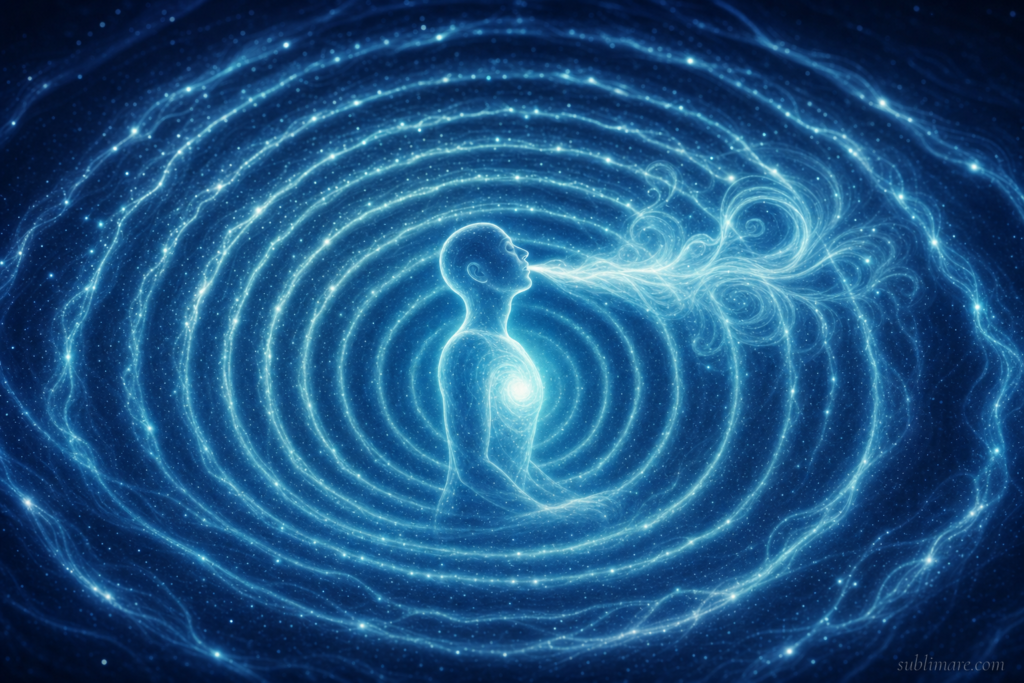
You’ve been breathing your whole life and probably never thought about it much. Turns out, how you breathe directly controls your nervous system. And changing it is one of the fastest ways to change how you feel.