
The phrase “dark night of the soul” is used for everything from heartbreak to burnout. Its original meaning is more specific, and knowing the difference between a dark night, spiritual dryness and clinical depression can change how you respond. Here’s the history, the stages, and what actually helps.
Old beliefs stop fitting. Relationships that used to feel fine suddenly don’t. Sleep gets strange. If your life feels like it’s quietly falling apart in a way that somehow also feels necessary, here are 7 signs you might be in the middle of a spiritual awakening — and how to tell the difference from something that needs real clinical support.

Being alone and feeling lonely are often treated as the same thing. Psychology research draws a sharp line between them — one tends to restore you, the other tends to deplete you, and the deciding factor is more specific than most people assume. Here’s what the research actually shows, and how to tell which one you’re in.
Every night you pass through a threshold state that ancient cultures built entire temples around — and modern neuroscience is only now starting to understand why. Here’s what actually happens during sleep, what the liminal zone at its edges was used for across history, and why treating sleep as sacred isn’t just poetic language.
Most people forget 90% of their dreams within ten minutes of waking. Dream journaling changes that — and what emerges when you start paying attention is often surprising. Here’s how to begin, what the neuroscience says about why it works, and what to look for once patterns start appearing.
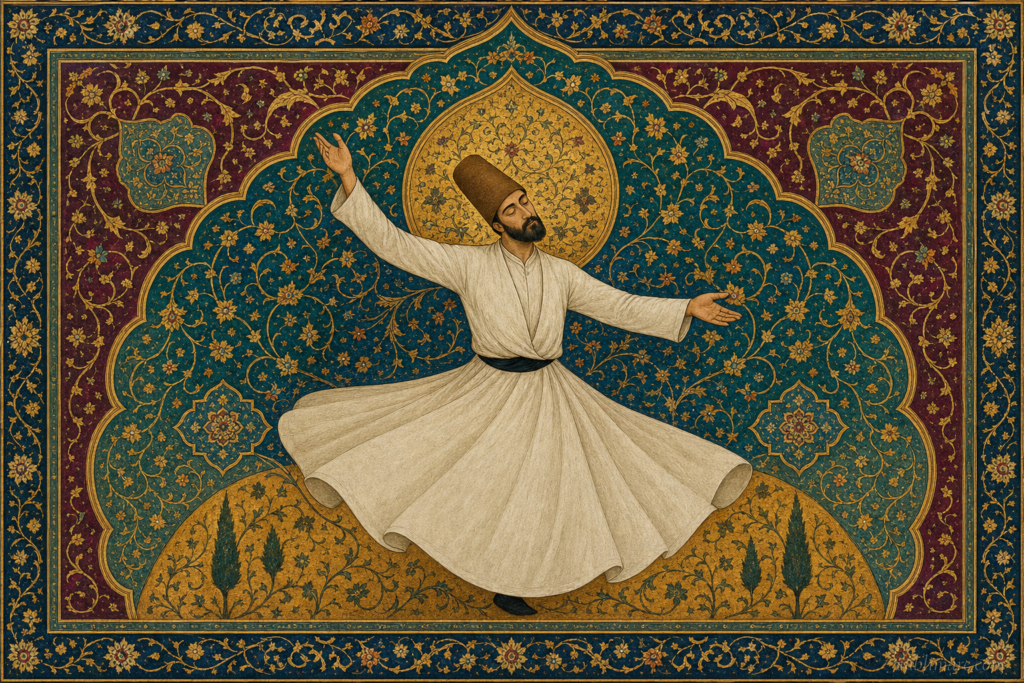
Rumi wrote in 13th century Persia. And yet when you read him, it’s like he’s talking to something in you that knew all along. Here are five poems that hit me hardest — and why.
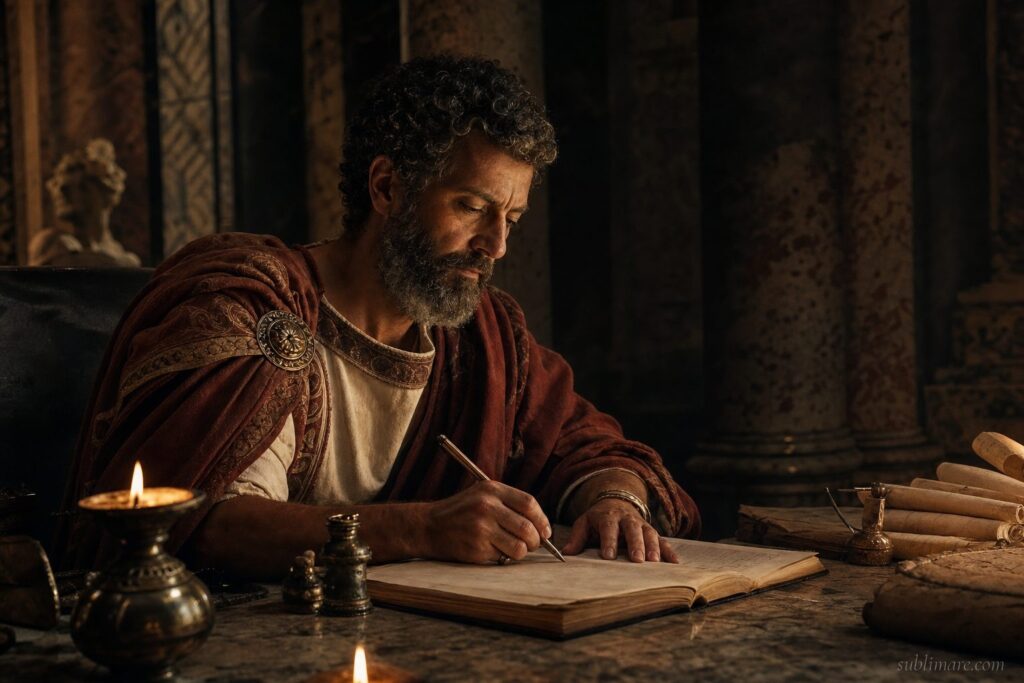
Nearly 2,000 years ago, the most powerful man in the world kept a private journal he never meant anyone to read. What Marcus Aurelius wrote in the Meditations still speaks directly to the lives we’re trying to live today.