

Ayurveda is one of the oldest continuously practiced medical systems on Earth — older than written Greek medicine. It’s also frequently reduced to dosha quizzes and Instagram wellness content. Here’s what it actually is, what the evidence says, and what’s genuinely useful to take from it today.

Every night you pass through a threshold state that ancient cultures built entire temples around — and modern neuroscience is only now starting to understand why. Here’s what actually happens during sleep, what the liminal zone at its edges was used for across history, and why treating sleep as sacred isn’t just poetic language.

Time disappears, self-consciousness vanishes, and a task that would normally feel effortful becomes effortless. Psychologists call this flow. Neuroscientists have spent 50 years trying to explain what’s actually happening in the brain when it occurs — and how to get there more reliably.

Most morning routine advice is either too complicated or too vague. The science, however, is surprisingly clear about which habits actually shift your mood, focus, and energy — and why the first 90 minutes after waking are the most powerful window in your day.

What Silence Actually Is Most of us live in a state of chronic noise —
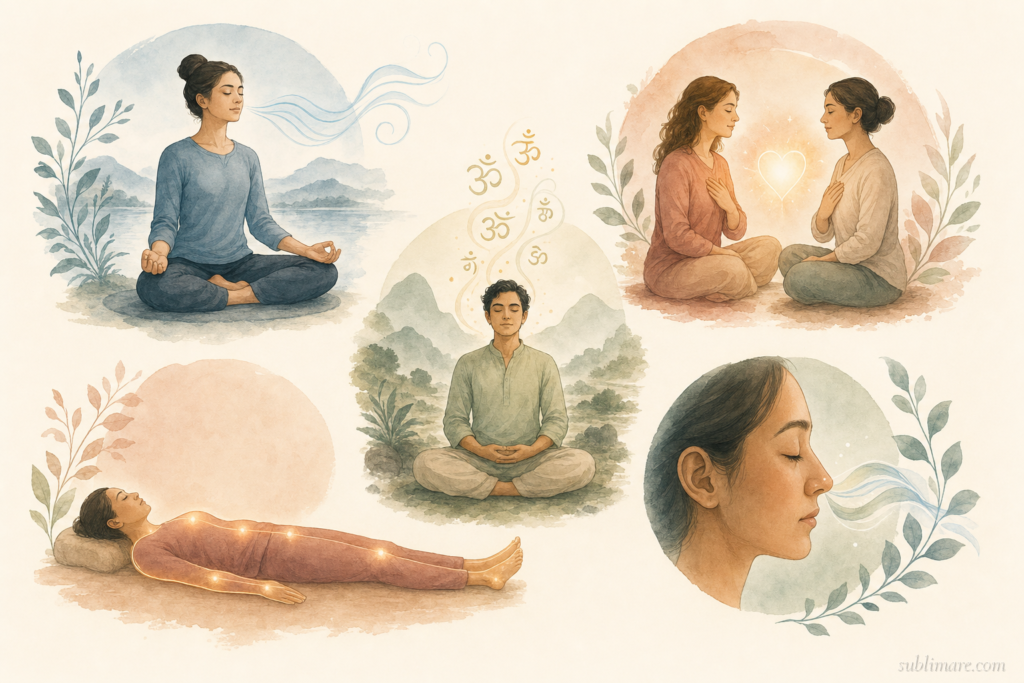
Not All Meditation Is the Same If you’ve ever tried meditating and felt like you
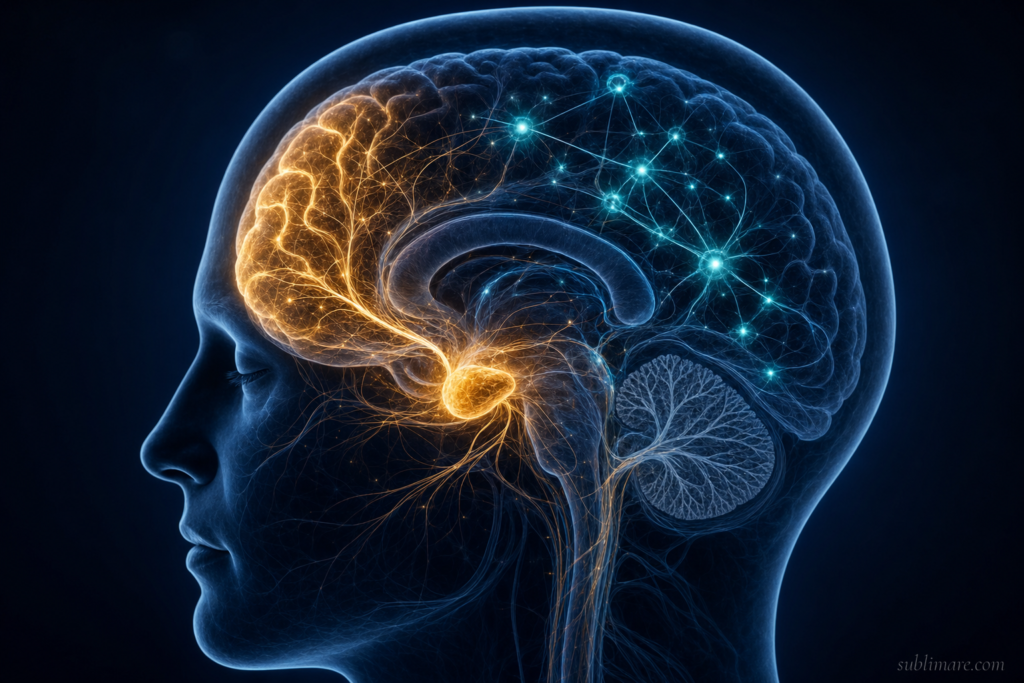
Meditation Was Once Considered Mysticism. Then Scientists Put People in Brain Scanners. For thousands of
Think your mind is too busy to meditate? That’s exactly why you should start. This practical beginner’s guide breaks down everything you need — and nothing you don’t — to build a real meditation practice.
Forget the incense and the lotus pose. Meditation is a trainable skill that neuroscience has spent decades studying. Here’s what it actually is, what it does to your brain, and why anyone can do it.