

Time disappears, self-consciousness vanishes, and a task that would normally feel effortful becomes effortless. Psychologists call this flow. Neuroscientists have spent 50 years trying to explain what’s actually happening in the brain when it occurs — and how to get there more reliably.

Most morning routine advice is either too complicated or too vague. The science, however, is surprisingly clear about which habits actually shift your mood, focus, and energy — and why the first 90 minutes after waking are the most powerful window in your day.
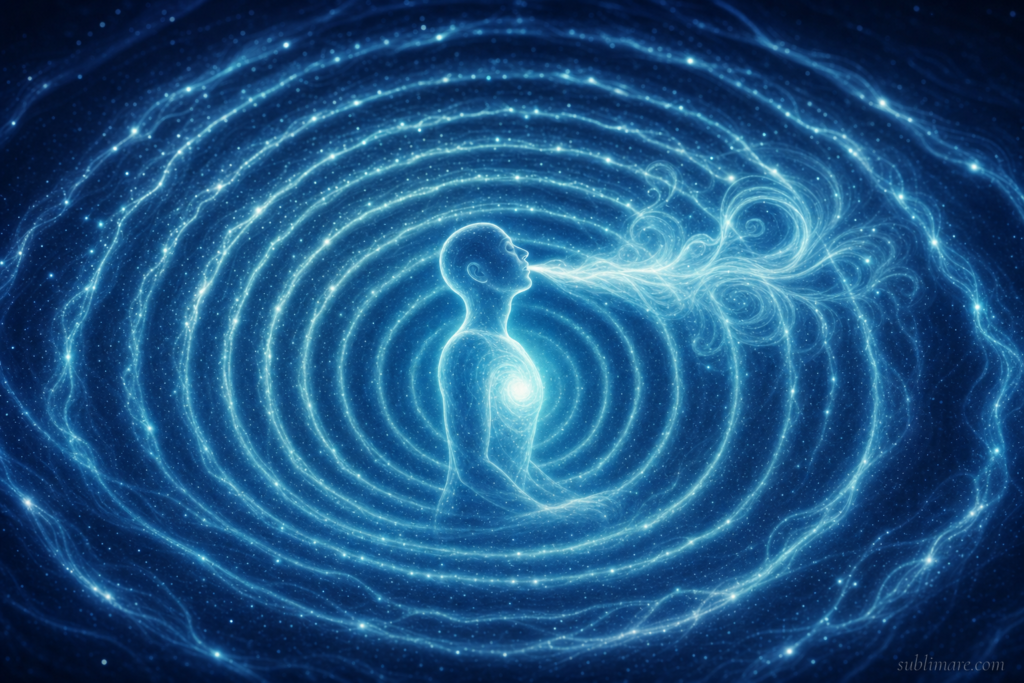
You’ve been breathing your whole life and probably never thought about it much. Turns out, how you breathe directly controls your nervous system. And changing it is one of the fastest ways to change how you feel.

Most of us have a voice in our head that’s not exactly kind. We call it the inner critic. But there’s another voice — quieter, steadier — that sees without judging. Learning to distinguish them is one of the most useful things you can do.

I’ve been suspicious of gratitude practices for years. Too easy. Too Instagram. Too convenient. But the real thing — not the performance of it — is something else entirely. Here’s what changed my mind.
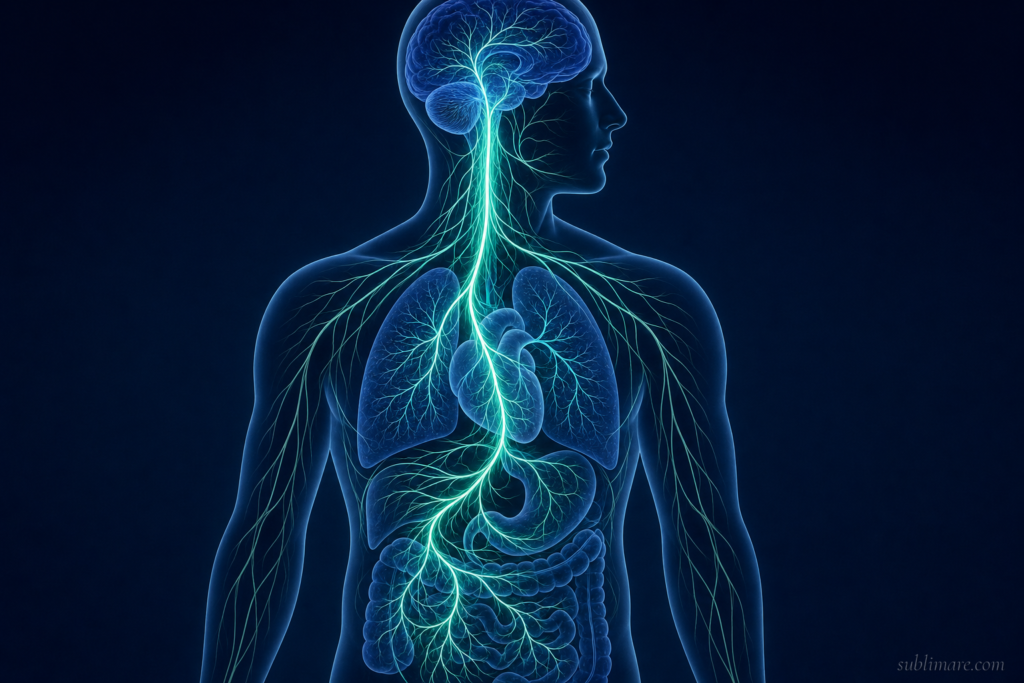
There’s a nerve running from your brainstem to almost every major organ in your body — and learning how to work with it might be the most practical thing you do for your mental health this year.

What Silence Actually Is Most of us live in a state of chronic noise —

Not All Meditation Is the Same If you’ve ever tried meditating and felt like you
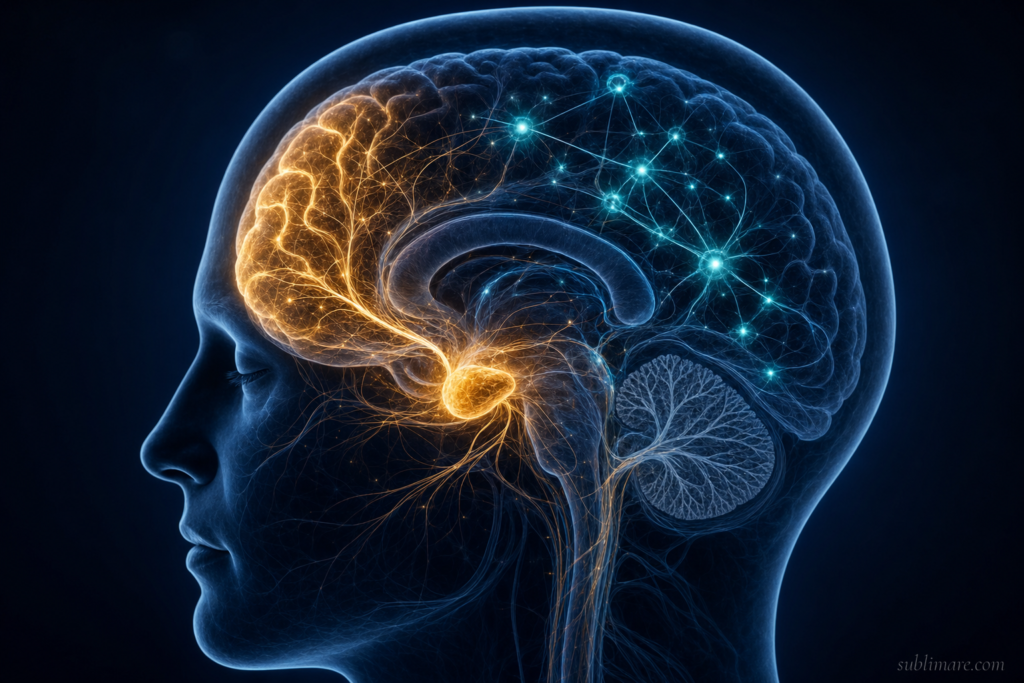
Meditation Was Once Considered Mysticism. Then Scientists Put People in Brain Scanners. For thousands of

Think your mind is too busy to meditate? That’s exactly why you should start. This practical beginner’s guide breaks down everything you need — and nothing you don’t — to build a real meditation practice.