

Old beliefs stop fitting. Relationships that used to feel fine suddenly don’t. Sleep gets strange. If your life feels like it’s quietly falling apart in a way that somehow also feels necessary, here are 7 signs you might be in the middle of a spiritual awakening — and how to tell the difference from something that needs real clinical support.

Being alone and feeling lonely are often treated as the same thing. Psychology research draws a sharp line between them — one tends to restore you, the other tends to deplete you, and the deciding factor is more specific than most people assume. Here’s what the research actually shows, and how to tell which one you’re in.

Spiritual growth doesn’t usually announce itself with fireworks. It shows up in quieter shifts — how you respond to conflict, what you notice, what stops bothering you as much. Psychology has genuine research on what real growth looks like versus what just feels like growth. Here’s how to tell the difference.

Ayurveda is one of the oldest continuously practiced medical systems on Earth — older than written Greek medicine. It’s also frequently reduced to dosha quizzes and Instagram wellness content. Here’s what it actually is, what the evidence says, and what’s genuinely useful to take from it today.

Your gut has been wrong before — badly, memorably wrong. So how do you know when to trust it again? Psychology has a real answer: intuition isn’t one thing. It’s reliable in some conditions and actively misleading in others. Here’s how to tell the difference.

Time disappears, self-consciousness vanishes, and a task that would normally feel effortful becomes effortless. Psychologists call this flow. Neuroscientists have spent 50 years trying to explain what’s actually happening in the brain when it occurs — and how to get there more reliably.

Manifestation has become a cultural phenomenon — vision boards, affirmations, the idea that focused intention can reshape reality. Strip away the marketing and the quantum-physics misuse, and there’s a real psychological mechanism underneath. Here’s what the research actually supports, and where it stops.

Most morning routine advice is either too complicated or too vague. The science, however, is surprisingly clear about which habits actually shift your mood, focus, and energy — and why the first 90 minutes after waking are the most powerful window in your day.

Most of us have a voice in our head that’s not exactly kind. We call it the inner critic. But there’s another voice — quieter, steadier — that sees without judging. Learning to distinguish them is one of the most useful things you can do.
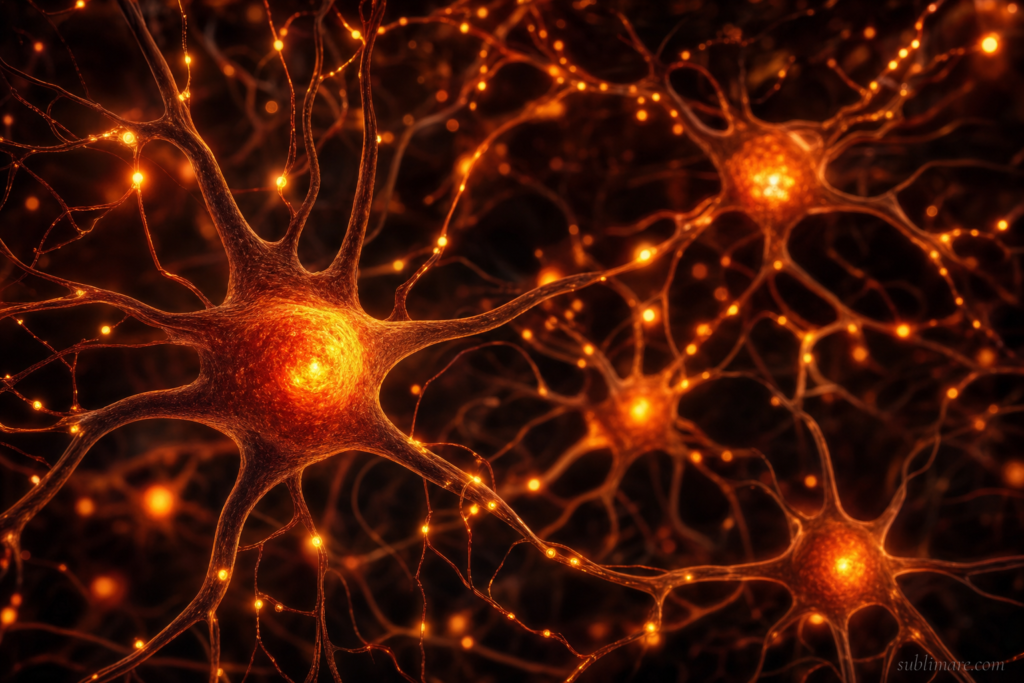
For most of history, we thought the adult brain was fixed. Neuroplasticity proved that wrong. Your brain changes every time you learn, practice, and yes — even when you think. Here’s what that means for you.