
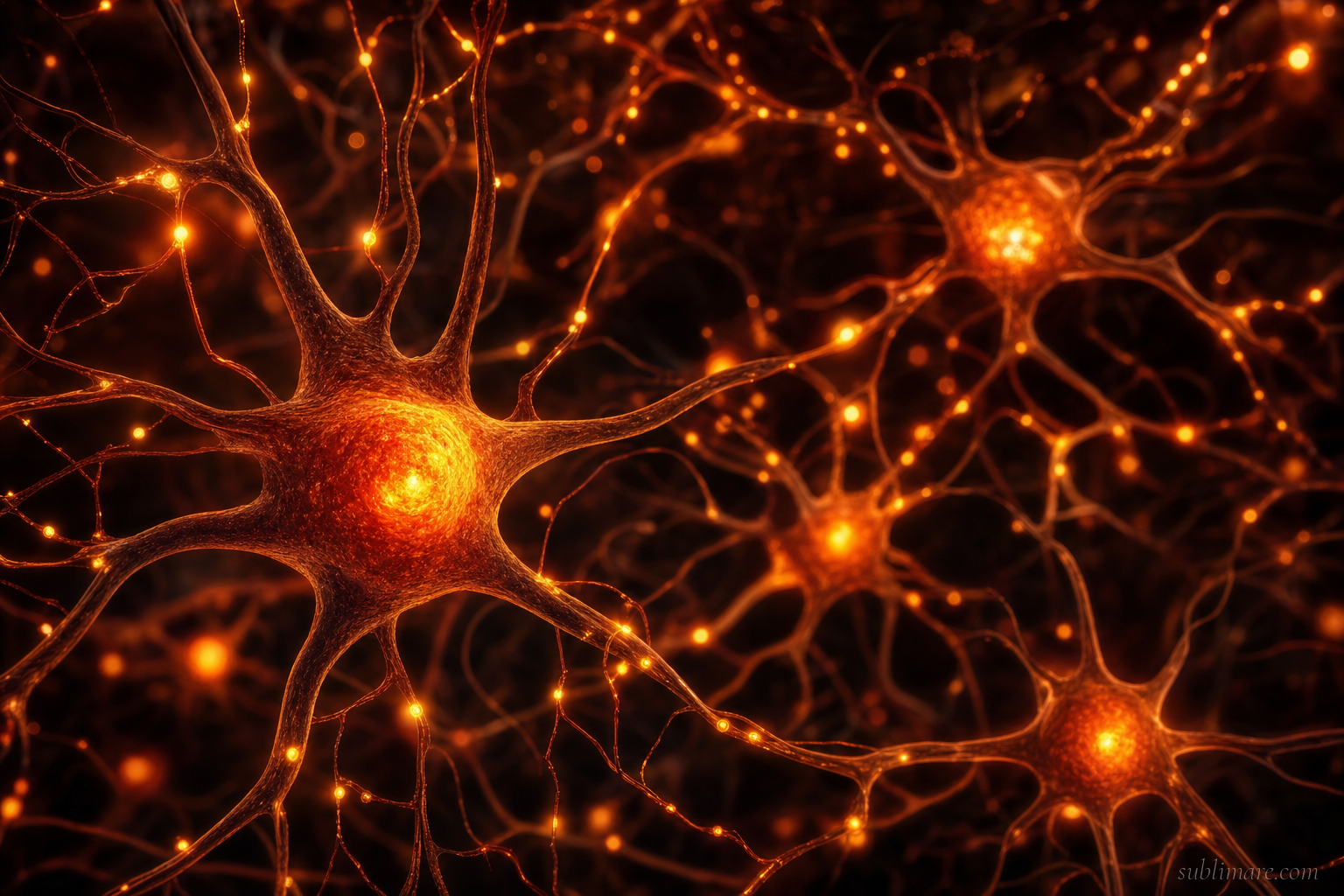
I remember the first time someone explained to me that the brain is plastic. Not plastic like a toy — plastic like moldable. Like it physically changes shape based on what you do with it.
That was a bit of a shock. I’d grown up assuming the adult brain was basically set. You’re born with a certain intelligence, a certain temperament, a certain way of processing the world. Turns out, not really.
What Neuroplasticity Is
Neuroplasticity is the brain’s ability to reorganize itself by forming new neural connections throughout life. Every time you learn something new, practice a skill, or even change a habit of thought, your neurons are literally rewiring — strengthening some connections and weakening others.
The old view was that the brain finished developing in early adulthood and then it was more or less static. Decades of neuroscience have put that idea firmly to rest. The brain is changing constantly. The question is just how it’s changing — and whether you have any say in that.
Hebb’s Law: The Basic Principle
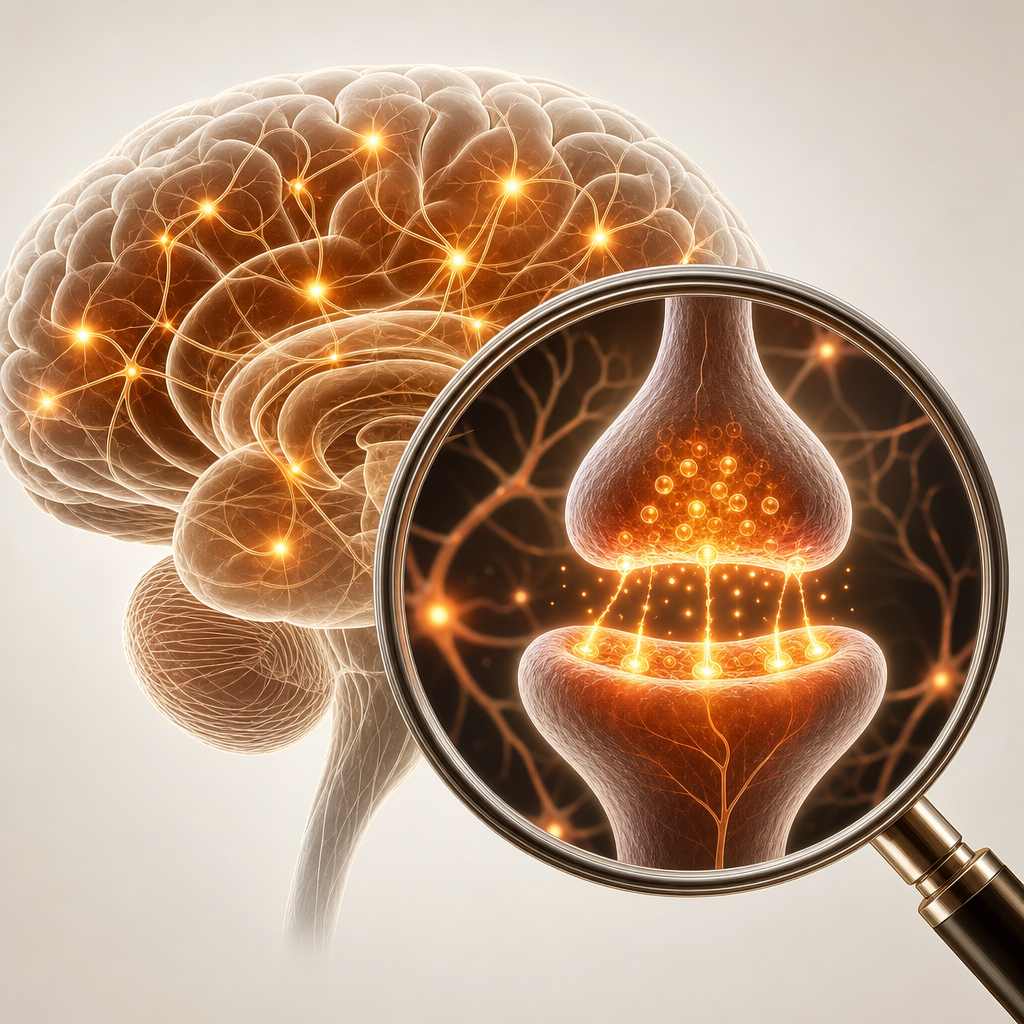
The foundational idea of neuroplasticity was stated elegantly by psychologist Donald Hebb in 1949: “Neurons that fire together, wire together.”
Every thought you have, every action you take, every emotion you feel is the result of specific neurons firing. When they fire repeatedly in the same pattern, the connection between them strengthens. It gets faster, easier, more automatic.
This works in both directions. Good habits become more automatic over time. So do bad ones. Anxiety, rumination, self-criticism — these are patterns too. Repeated enough, they carve grooves in the brain.
The Evidence Is Real
London taxi drivers are one of the most cited examples. Before GPS, drivers had to memorize thousands of streets. Studies comparing their brains to non-taxi-drivers showed measurably larger hippocampi — the brain region involved in spatial memory. Their brains had physically changed because of what they practiced.
Musicians show similar changes in the motor cortex. Stroke patients have regained function in damaged areas by engaging the brain in targeted recovery exercises. People with depression have shown measurable structural changes after successful treatment — including therapy that changed how they thought about themselves.
What Actually Changes the Brain
Deliberate practice. Not just doing something — doing it with attention and intention. Mindless repetition doesn’t rewire as effectively as focused engagement does.
Meditation. Multiple studies have shown that long-term meditators have thicker prefrontal cortices, better regulated amygdalas, and stronger connections between regions involved in attention and emotional regulation. This is directly related to what I covered in the post on the neuroscience of meditation — the two topics are deeply linked.
Physical exercise. Exercise increases BDNF — brain-derived neurotrophic factor — which is essentially fertilizer for neurons. It’s one of the most powerful drivers of neurogenesis (the creation of new neurons) that we know of.
Sleep. This one often gets overlooked. Your brain consolidates new neural pathways during sleep. Skimp on sleep and the rewiring you’re working on doesn’t stick as well.
The Limits Worth Knowing
Neuroplasticity is real, but it’s not magic. The brain doesn’t change overnight. Meaningful structural changes typically take weeks to months of consistent practice. And some things — like severe traumatic brain injury or certain degenerative conditions — go beyond what lifestyle changes can address.
Also, the pop-psychology version of neuroplasticity sometimes oversimplifies. You can’t think your way out of clinical depression just by “rewiring” through positive thoughts. But you can make incremental, real changes over time through intentional practice and proper support.
The Part I Find Most Hopeful
What I keep coming back to is this: you are not the brain you had yesterday. Every experience, every practice, every conversation is slightly changing you at a physical level.
That means the person you are right now isn’t the person you have to stay. Not because of wishful thinking. Because of neuroscience.
What you feed attention to grows. What you consistently practice becomes easier. That’s not a metaphor. It’s biology.
Related Posts