
You glance at the clock at 11:11. You notice 444 on a license plate, then again on a receipt. Here’s what each angel number is traditionally said to mean — and the real psychological reason you keep noticing them.

Cold plunges have gone from monastic discipline to Instagram wellness trend in the span of a few years. The neuroscience behind why it works is genuinely interesting — and more specific than “it’s good for you.” Here’s what cold exposure actually does to your nervous system, and what contemplative traditions understood about deliberate discomfort long before the science caught up.

A University of Virginia research division has spent fifty years documenting over 2,500 cases of children reporting detailed memories of previous lives. Here’s what that research actually found, what the strongest skeptical explanations are, and why the honest answer remains genuinely unresolved.
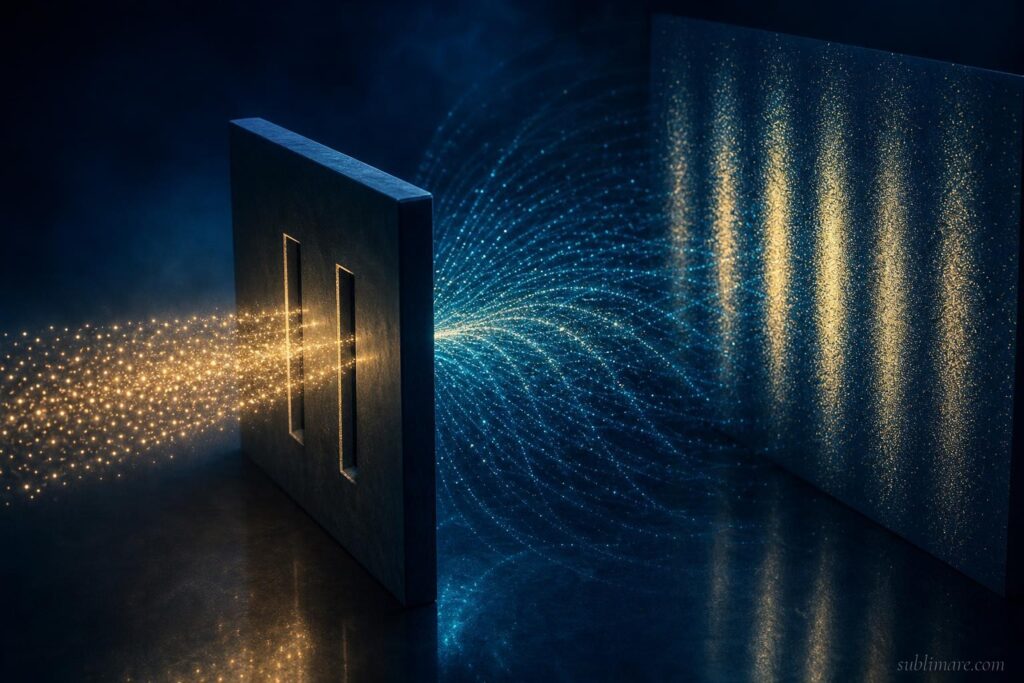
“The observer creates reality” is one of the most repeated claims in spiritual and self-help content — and one of the most consistently misstated findings in physics. Here’s what the double-slit experiment actually demonstrates, where the popular version goes wrong, and what remains a genuinely open question even among physicists.

Ayurveda is one of the oldest continuously practiced medical systems on Earth — older than written Greek medicine. It’s also frequently reduced to dosha quizzes and Instagram wellness content. Here’s what it actually is, what the evidence says, and what’s genuinely useful to take from it today.
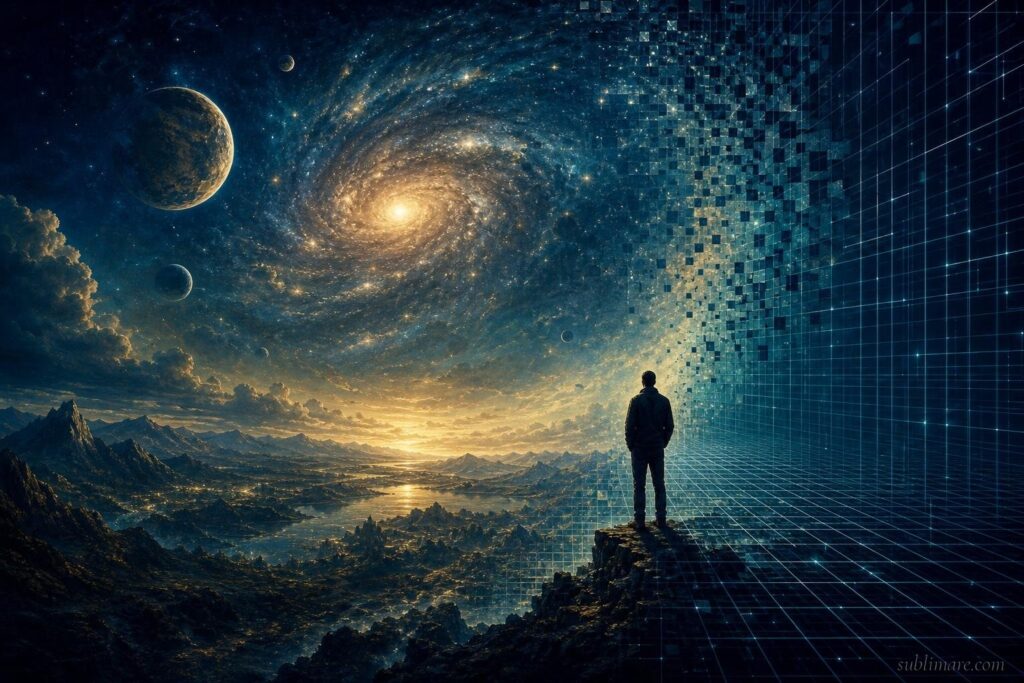
It sounds like science fiction, but a serious philosophical argument, taken seriously by physicists and philosophers alike, suggests it might not be. Here’s Nick Bostrom’s actual argument, what physics has and hasn’t found, and why the honest answer is more interesting than either believing it or dismissing it outright.

Your gut has been wrong before — badly, memorably wrong. So how do you know when to trust it again? Psychology has a real answer: intuition isn’t one thing. It’s reliable in some conditions and actively misleading in others. Here’s how to tell the difference.
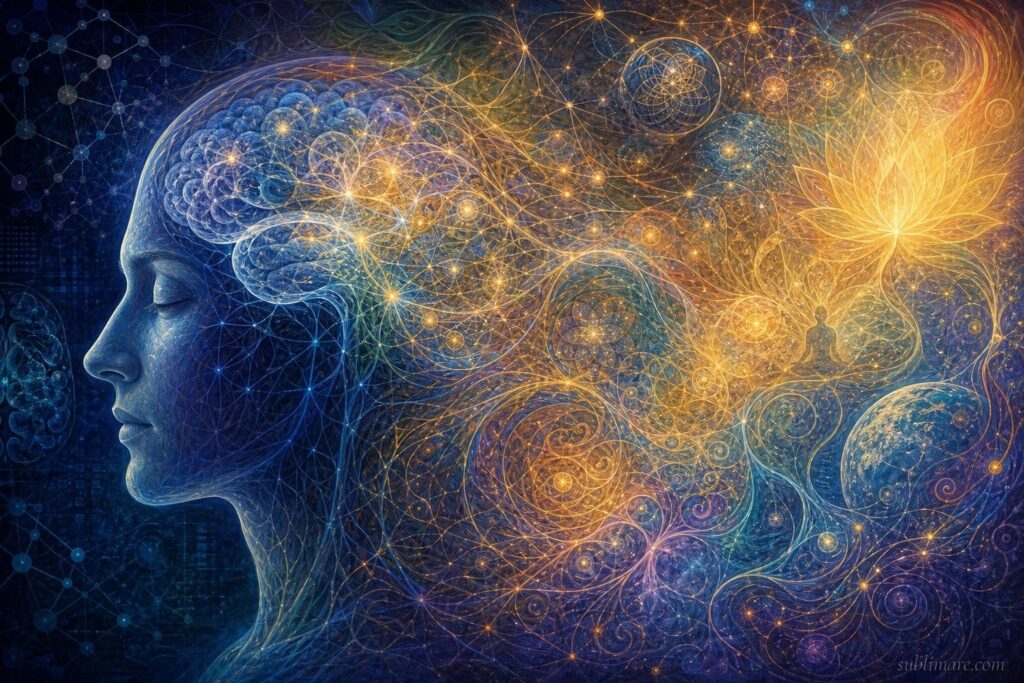
For decades psychedelic research was frozen by drug policy. Over the last twenty years it has quietly become one of the most rigorous fields in psychiatry — and the results consistently point to something unexpected: the mystical quality of the experience itself may be doing the therapeutic work. Here’s what the studies actually show.

Time disappears, self-consciousness vanishes, and a task that would normally feel effortful becomes effortless. Psychologists call this flow. Neuroscientists have spent 50 years trying to explain what’s actually happening in the brain when it occurs — and how to get there more reliably.
Manifestation has become a cultural phenomenon — vision boards, affirmations, the idea that focused intention can reshape reality. Strip away the marketing and the quantum-physics misuse, and there’s a real psychological mechanism underneath. Here’s what the research actually supports, and where it stops.