
Crowded rooms exhaust you. Other people’s moods become your moods before you realize it. Here are 12 traits commonly associated with being an empath — and the real psychology and neuroscience behind why some people experience the world this way.

Cold plunges have gone from monastic discipline to Instagram wellness trend in the span of a few years. The neuroscience behind why it works is genuinely interesting — and more specific than “it’s good for you.” Here’s what cold exposure actually does to your nervous system, and what contemplative traditions understood about deliberate discomfort long before the science caught up.

Ayurveda is one of the oldest continuously practiced medical systems on Earth — older than written Greek medicine. It’s also frequently reduced to dosha quizzes and Instagram wellness content. Here’s what it actually is, what the evidence says, and what’s genuinely useful to take from it today.
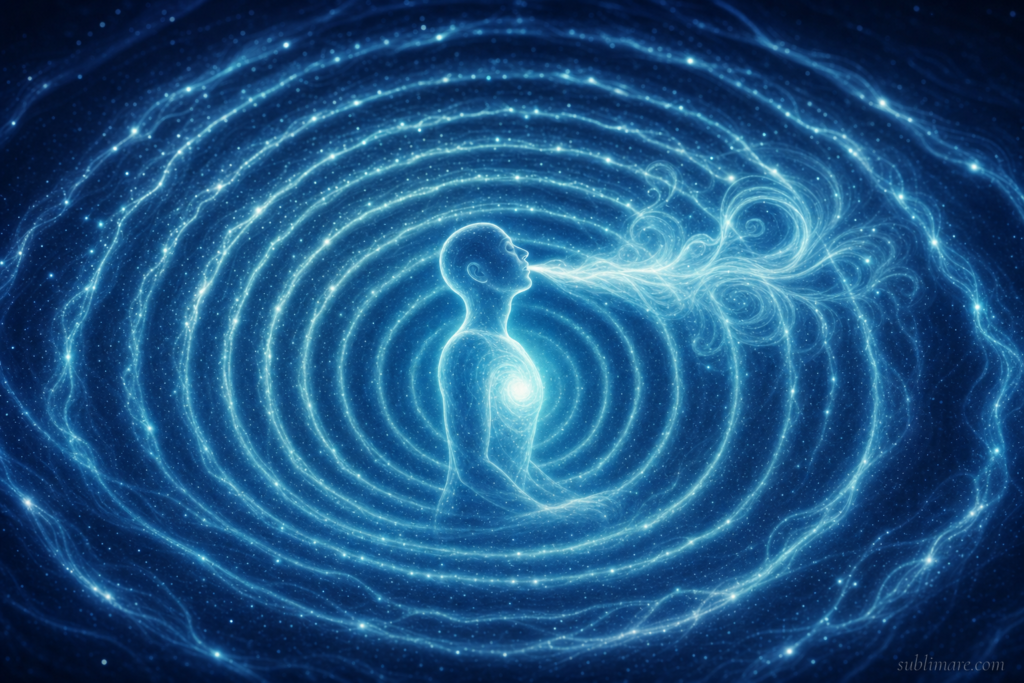
You’ve been breathing your whole life and probably never thought about it much. Turns out, how you breathe directly controls your nervous system. And changing it is one of the fastest ways to change how you feel.
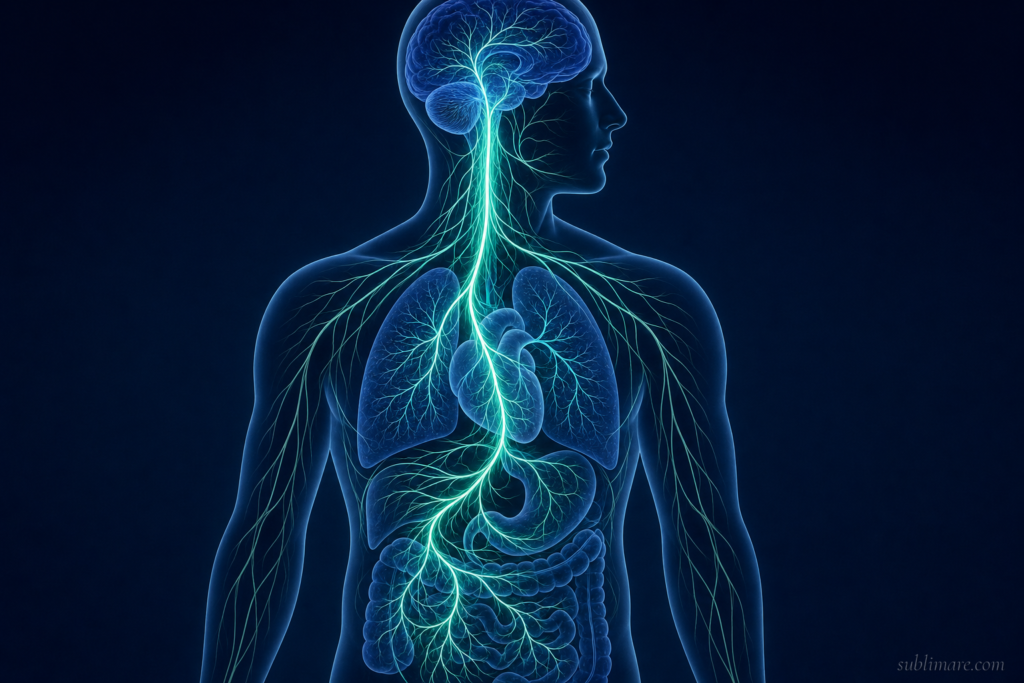
There’s a nerve running from your brainstem to almost every major organ in your body — and learning how to work with it might be the most practical thing you do for your mental health this year.
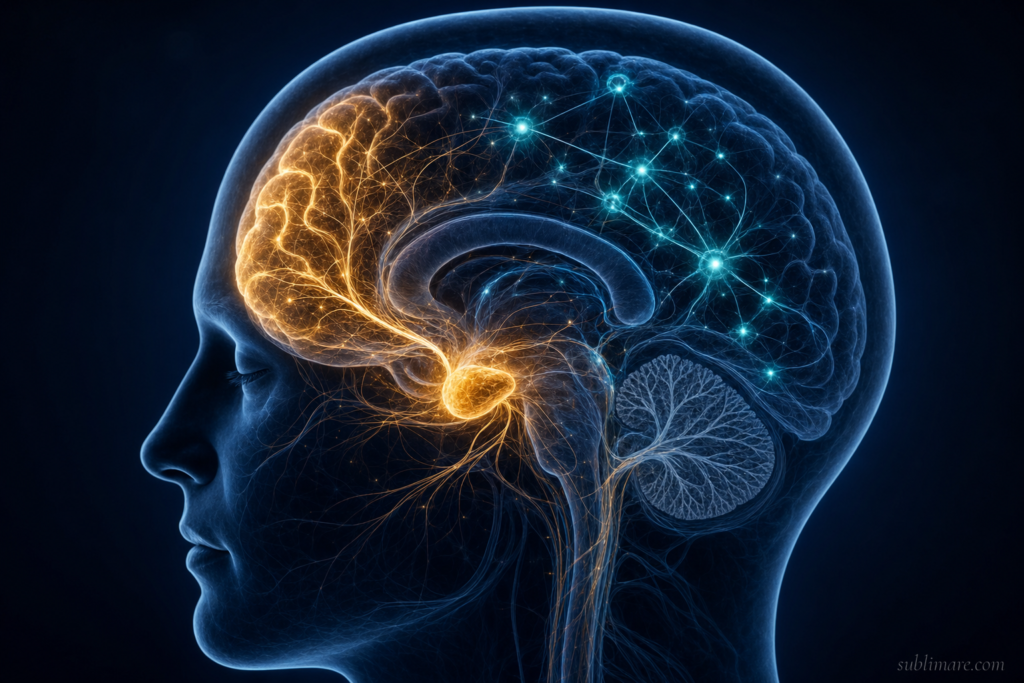
Meditation Was Once Considered Mysticism. Then Scientists Put People in Brain Scanners. For thousands of
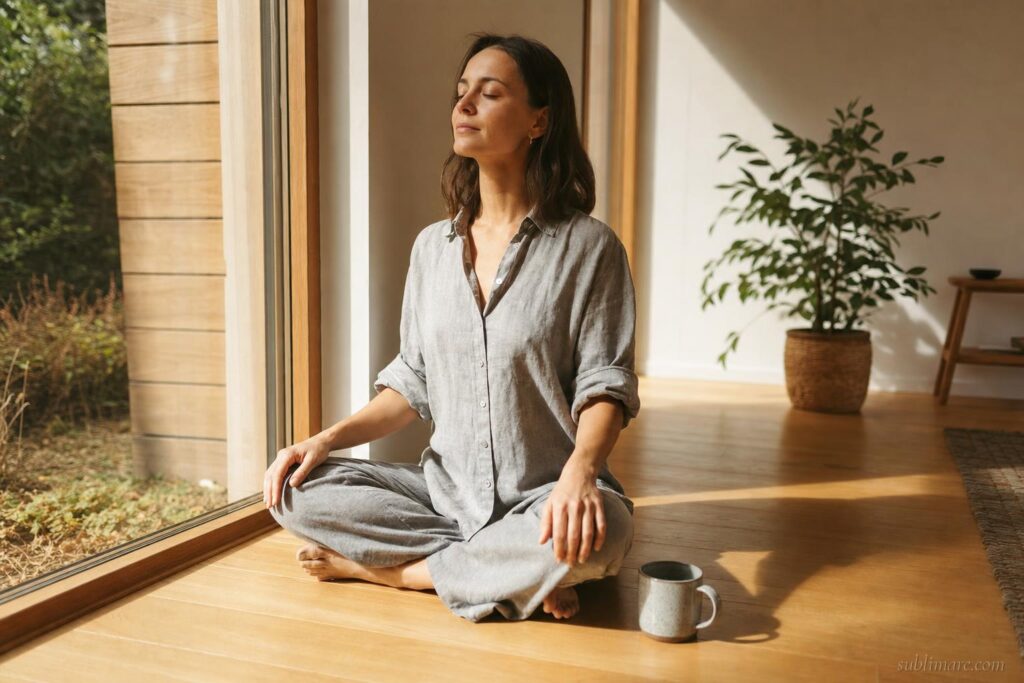
Forget the incense and the lotus pose. Meditation is a trainable skill that neuroscience has spent decades studying. Here’s what it actually is, what it does to your brain, and why anyone can do it.