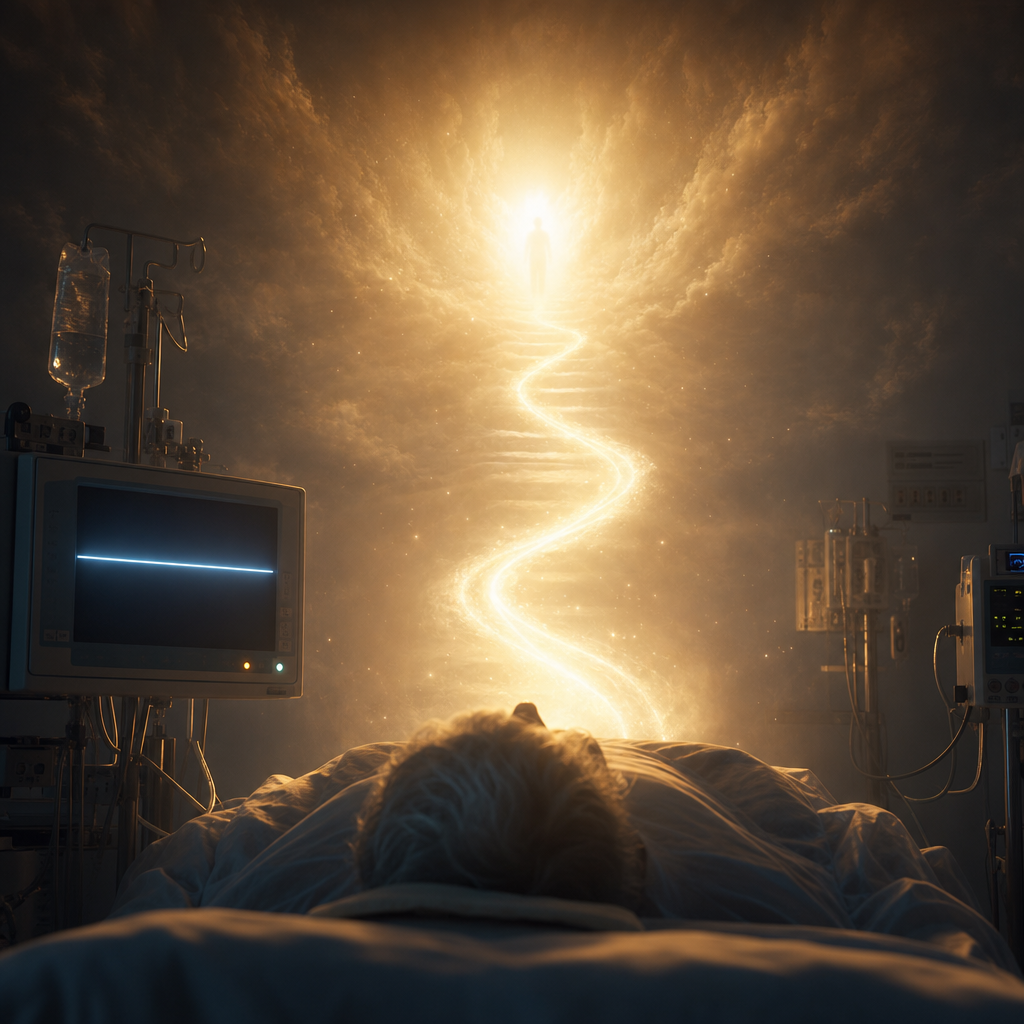
About 5% of the general population has reported a near-death experience. That’s hundreds of millions of people worldwide. And when you look at what they actually describe, the consistency is hard to ignore.
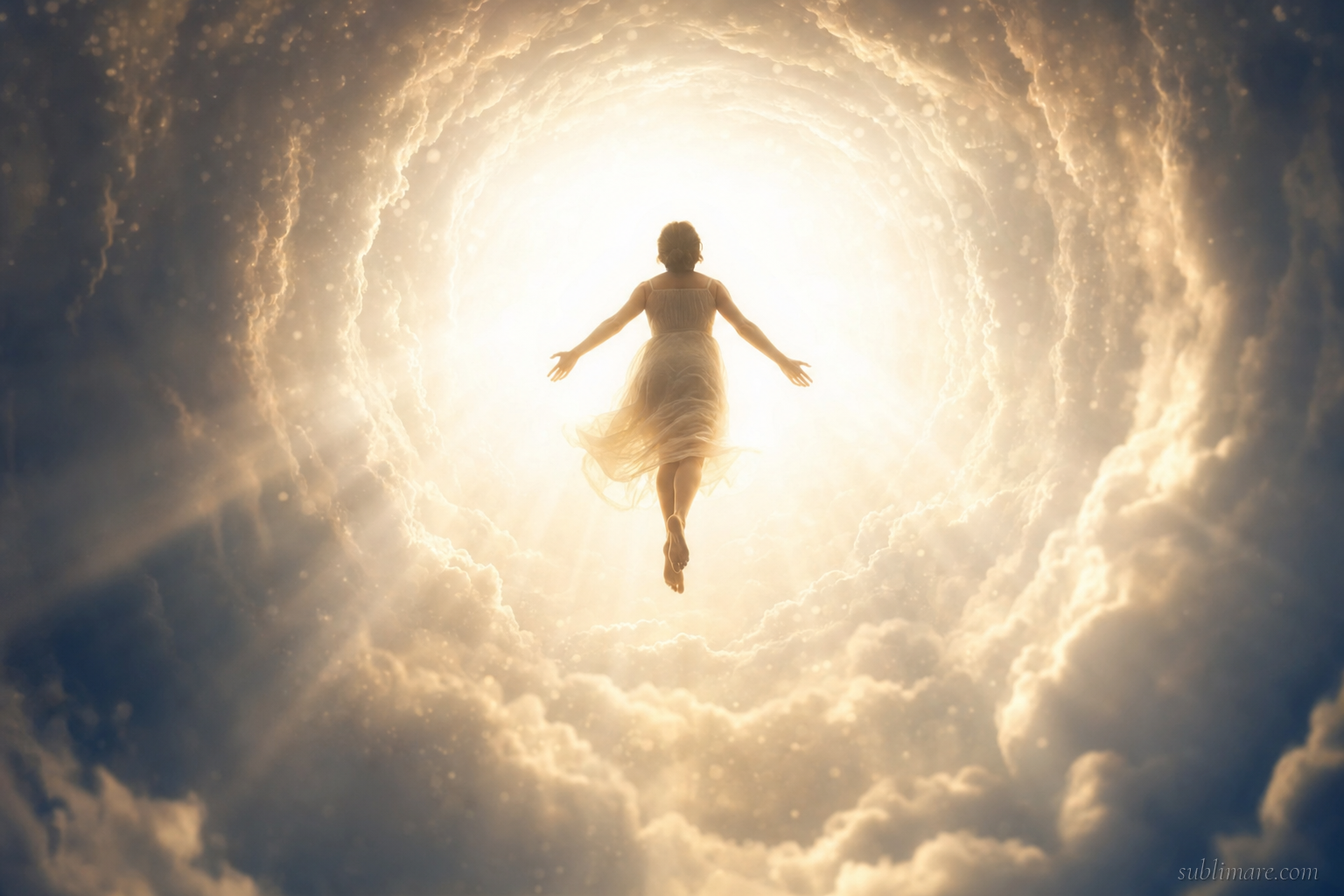
Tunnel of light. Life review. Meeting deceased relatives. A profound sense of peace. Return to the body with a changed relationship to fear and death.
These descriptions come from people across cultures, religions, ages — people who had no frame of reference for what they experienced. And they tend to describe it as more real than ordinary life, not less.
What Science Has Found
The most rigorous study on NDEs is probably the AWARE (AWAreness during REsuscitation) study, led by cardiologist Sam Parnia at NYU. Over several years, it studied cardiac arrest survivors across multiple hospitals and found that a significant percentage reported some form of awareness during the period when their hearts had stopped and brain activity was minimal.
That’s the part that’s hard to explain away. If the brain is generating consciousness, it shouldn’t be generating much of anything when it’s not getting blood. And yet some of these patients reported vivid, coherent experiences.
The Leading Neuroscientific Explanations
To be fair, there are several plausible brain-based explanations that researchers have proposed:
REM intrusion. The brain, under extreme stress, may enter a dreamlike REM state that produces vivid hallucinations — the kind that people interpret as meetings with deceased relatives or journeys toward light.
Dying neural activity. A 2023 study published in PNAS found unusual surges of gamma brain waves in dying patients — specifically in regions associated with dreaming and consciousness. One hypothesis is that the dying brain produces a final burst of activity, which generates the NDE.
Neurochemical floods. Some researchers point to ketamine-like endogenous compounds released under extreme conditions, or to surges of serotonin and other neurotransmitters.
These explanations are plausible. None of them is proven. And they all have a problem: if the brain is producing the experience, it shouldn’t be producing it most powerfully at the precise moment when measurable activity is lowest.
The Cases That Don’t Fit
What keeps this field alive is the small but persistent number of cases where people report veridical perceptions — things they couldn’t have known from their position.
People describe watching their own resuscitation from above, accurately reporting conversations they shouldn’t have been able to hear, or describing objects placed in unusual locations specifically to test NDE claims. These cases are rare and hard to verify rigorously. But they exist in the literature, and they don’t have easy explanations.
The honest answer is: we don’t know what to do with them yet.
The Aftereffects Are Real, Whatever the Cause
Something that’s harder to dispute: people who have NDEs are changed by them. Consistently. Measurably.
They report reduced fear of death. Increased compassion. Stronger sense of life’s meaning and purpose. Less attachment to material things. Greater intuition. These changes persist for years, often for life.
Whatever is actually happening during an NDE — brain artifact or something more — it produces real transformation. Which raises an interesting question: does the mechanism matter as much as the result?
Where I Land on This
I don’t know what happens when we die. Nobody does, despite what they might tell you in either direction. The materialist certainty that consciousness simply stops is as much a leap of faith as the spiritual certainty that it continues.
What I do know is that the NDE literature is one of the most compelling arguments for taking the question of consciousness seriously — which connects directly to what I wrote about in the hard problem of consciousness. The mystery isn’t settled. Not by a long way.
And millions of people have had an experience that completely changed their relationship with death. That’s worth paying attention to, regardless of what explanation eventually wins.
Related Posts